
Meet the town Betty donates to
Your play has impact. A share of Betty’s online gaming revenue goes to charities in Kirkland Lake.




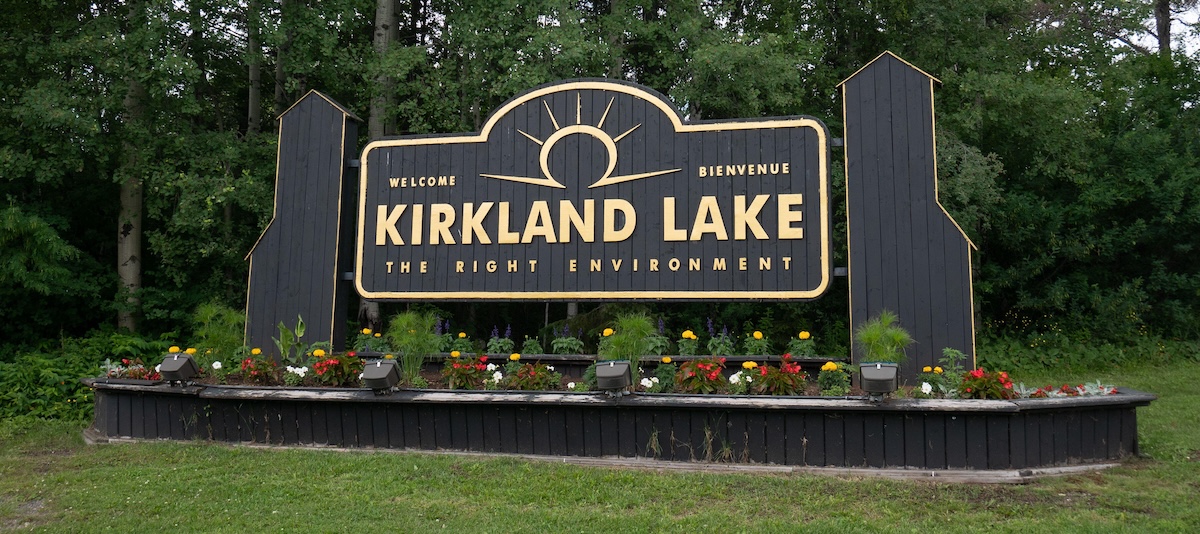
Kirkland Lake spent a hundred years producing things that ended up somewhere else. Its famed gold and hockey players went south, and the lake the town was named for vanished under mine tailings almost a century ago.
But lately, things have started coming back. The old Lake Shore tailings pond has been reclaimed into Kinross Pond, a living wetland with a lakeside trail where the water and wildlife have returned. The Northlander train is set to return in late 2026, linking Kirkland Lake to Toronto by rail for the first time in over a decade.
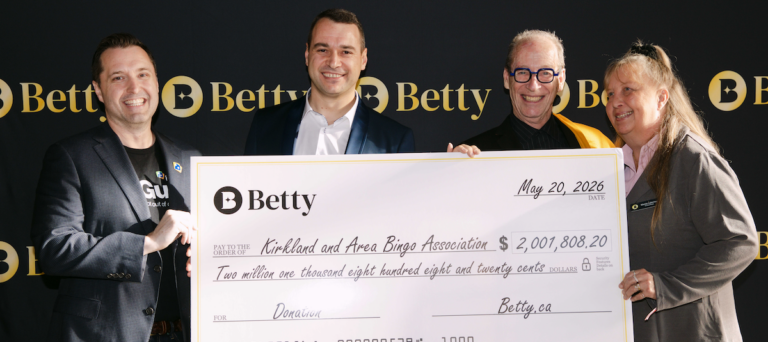
And now, Betty is sending charitable donations up north. Betty donates a share of its online gaming revenue to the Kirkland and Area Bingo Association, which decides the charities that receive the donations. The first donation was just over CAD $2 million.
Why Kirkland Lake?
The Kirkland Lake Bingo Hall has run on Ontario’s charitable gaming system since 1998, turning bingo nights into real money for 15 local charities across health, youth, sports, and service groups.
When Betty took it over, the plan was to grow this vision. The same community-run Association still decides where the money goes, to the same causes the hall has backed for years.
“We’re excited to be innovating in a regulated space in a way that lets our growth translate into meaningful charitable funding for local communities.”
— Chavdar Dimitrov, CEO, Betty
The Mile of Gold
By 1912, prospectors were arriving by the trainload to what was basically a clearing in the bush with a few tar-paper shacks. They staked claims along an ancient fault called the Main Break, and seven headframes rose over one stretch of main street: the Mile of Gold.
Those seven mines gave up roughly 700 tonnes of gold (worth north of CAD$100 billion at today’s prices) out of one small northern town.
During the Great Depression, Kirkland Lake was hiring; more than 5,000 people were working these mines by 1938. And Government Road, the main street, still traces the Mile of Gold.
The Macassa Mine is Canada’s deepest active mine, and it still runs in the heart of town more than a century after the first strike.
“The town that made the NHL famous” – Foster Hewitt
By 1969, this one town had sent more than two dozen players to the NHL, more per capita than anywhere in the country. Ted Lindsay — the Ted Lindsay — grew up here. So did Dick Duff, Mickey Redmond, three Plager brothers and three Hillmans.
During the 1967 Stanley Cup Final (Leafs versus Canadiens, the last time Toronto won) four Kirkland Lake players were on the ice. A bronze NHL monument downtown lists thirty famed players, and the minor hockey system that started it all is still running.
Kirkland Lake today
About 7,750 people live there, and community and seasonal events are abundant. Every March, the Rotary Club’s Fish Derby, with over $60,000 worth of prizes in 2026, draws anglers of all ages onto Otto Lake.
Come summer, the Lions Club throws a Canada Day bash at Civic Park, and the Northern Thunder drag races tear down the runway at the town airport over a couple of June and July weekends.
The history’s out in the open, too. The Miners’ Memorial downtown, the restored Toburn Mine headframe on the edge of town, and Wright-Hargreaves Park sitting where one of the big seven mines used to run.
Charity headed north
For a hundred years, much of what Kirkland Lake produced ended up somewhere else. But today the town’s story is turning around.
Betty’s donation is a small part of it, for as long as people are playing.